
The stone with the highest energy density will have the greatest ability to absorb heat for a given thickness or size. This gives a number that shows how well a rock can store heat if every rock is the same size.
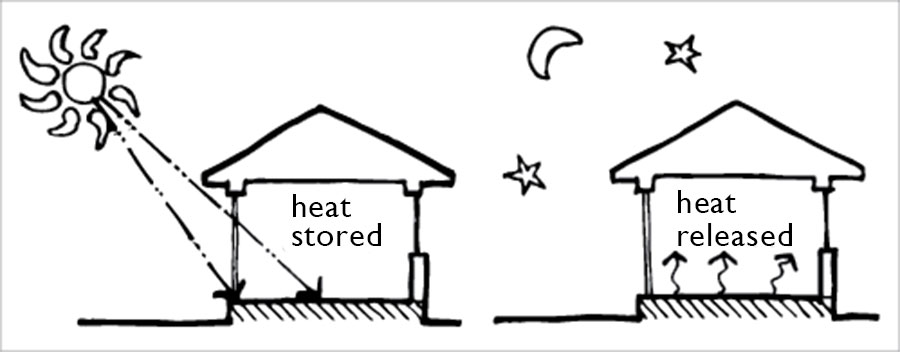
Concrete Exploiting Thermal Mass
Lowering Emissivity Of Concrete Roof Tile S Underside Cuts Down Heat Entry To The Building

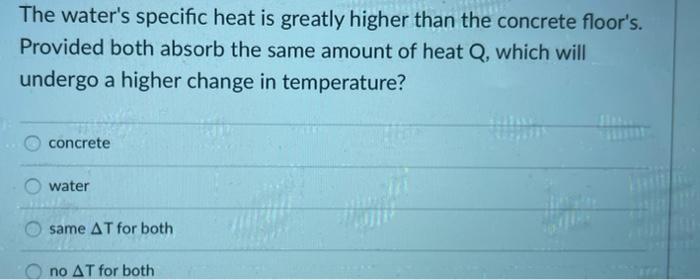
Solved The Water S Specific Heat Is Greatly Higher Than The Chegg Com
Ultraviolet light comes from the Sun but it can also bounce off of other surfaces like water snow and concrete.
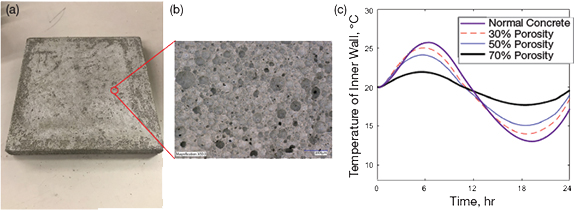
Why concrete absorb heat. That means that even if youre under an umbrella you can still get a sunburn. Carpet can absorb moisture and serve as a place for biological pollutants to grow. They leave ice cubes placed in boxes made of colored paper one box per color.
This is why it is such a powerful base. Understanding the fact that concrete survives on moisture for curing and compressive strengths does this not tell one that wood in contact with it will make it absorb more than its original 15-19 content. Students test whether the color of a material affects how much heat it absorbs.
The greenhouse gas effect is a process in which certain molecules in our atmosphere absorb heat coming from the earth mostly radiated heat from the sun that is being reflected off the earths surface and a very small amount of the AHF. It is mixed with sand gravel and water to produce concrete the most widely used construction material in the worldOver 10bn tonnes of concrete are used each year. Concrete is a composite material composed of fine and coarse aggregate bonded together with a fluid cement cement paste that hardens cures over time.
Expansion joints are filled with a flexible material that runs along and inside the joint or gap in slabs and other concrete structures. There are also decorative toppings for concrete that. To produce cement limestone and other clay-like materials are heated in a kiln at 1400C and then ground to form a lumpy solid substance called clinker.
Ultraviolet light can also go through clouds so you can get burned on an overcast day. Its usage worldwide ton for ton is twice that of steel wood plastics and aluminum combined. What is cement.
Water vapor humidity has a greater heat capacity ability to absorb heat than dry air. The cement industry is one of the main producers of carbon dioxide a potent greenhouse gas. As vegetation in rural areas is gradually replaced by asphalt and concrete for roads buildings and other structures closer to cities urban heat islands develop.
Many depend on circumstances. Because of the movements of the molecules it takes much longer for water to heat up or cool down. They record the order and time required for the ice cubes to melt.
Read on to learn why water takes much longer to heat or cool and also how this can affect weather patterns. A moisture meter on concrete will tell the story. This is why expansion joints are used.
Clinker is then combined with gypsum to form cement. Placing tubing deeper in the slab means simply-put that more heat will transfer into the slab and ultimately into the soil below than will be transferred up to the top of the slab and into the occupied space. As a result humid air feels colder in winter than does dry air and it takes more heat to make damp air feel comfortable.
Some of those rays escape the atmosphere while others are absorbed and then re-emitted by the atmospheric gases. An expansion joint is designed to absorb the expansion and contraction of concrete that naturally occurs due to change in temperatures. It was interesting to learn about how concrete can last a lot longer than other building materials by two or three times and it can absorb and retain heat.
Since the 1970s the oceans have sopped up more than 90 percent of all the excess heat energy trapped by CO 2. In certain climates if carpet is to be installed over a concrete floor it may be necessary to use a vapor barrier plastic sheeting over the concrete and cover that with sub-flooring insulation covered with plywood to prevent a moisture problem. The slurry hardens and is able to absorb water and hold it for a period of time which significantly decreases the surface temperature of asphalt concrete and is therefore an effective heat island mitigation measure.
Materials with short thermal lag times for example steel will absorb and release heat quickly. But liquid limestone is impervious to weeds and it distributes heat much more evenly across its surface. Radiant heat tubing in a concrete slab needs to be closer to the top of the slab than its bottom normally in the top 2-inches of concrete.
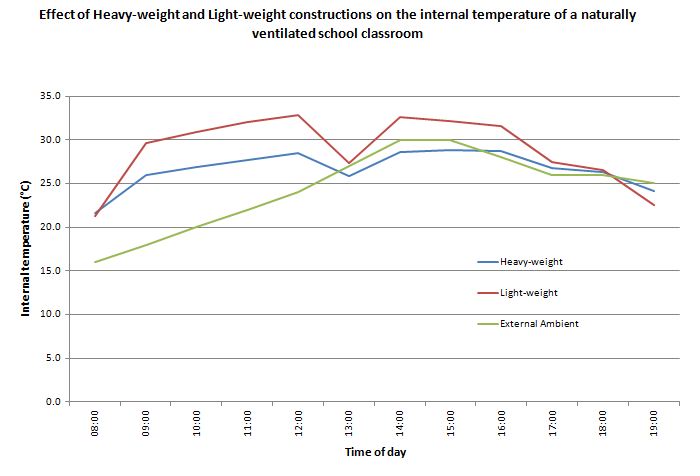
For example water and concrete have a high capacity to store heat and are referred to as high thermal mass materials. Concrete is strong against compression forces. Steel on the other hand is strong against all three types of stress.
The energy density of stone is the specific heat multiplied by its density on a unit basis. I can understand how a business could get the right building materials so that it can be more durable. Thermal lag is the rate at which heat is absorbed and released by a material.
Pavers absorb a great deal of heat and they allow weeds to grow up between the cracks. Concrete is strong against forces or compression but weak against tension and shear forces. Most studies regarding water-retentive asphalt concrete WRAC have focussed on the cooling effect of these pavements.
The environmental impact of concrete its manufacture and applications are complexSome effects are harmful. Concrete is the second-most-used substance in the world after water and is the most widely used building material. Materials with long thermal lag times for example brick and concrete will absorb and release heat slowly.
This surface hardening known as crusting can be caused by exposure to sun and wind overfinishing the concrete mix design and even the concrete color darker colors more readily absorb heat from the. Thermal mass describes a materials capacity to absorb store and release heat. Asphalt and concrete absorb the.
The primary component of cement is limestone. White yellow red and black in the sun and predict in which colored box ice cubes melt first. The industry standard is a type called Portland cementThis was invented in the early 1800s and named after a building stone widely used in England.
This means more maintenance not to mention discomfort when walking barefoot on hot paving stones. Cement is used in construction to bind other materials together. The Earth then radiates its own heat back up in the form of infrared rays.
Concrete moisture does not mix with bare steel and wood without some sort of. However this is the simple answer and there are more contributing factors. Compared to darker-colored brick and tile pool decks which can become extremely hot to the touch after baking in the sun concrete reflects solar radiation and is more comfortable on bare feet.
Most of the rest of the trapped heat has been absorbed into the planets vast oceans. Though cement and concrete are often used interchangeably concrete is actually the final product made from cement. Use area rugs which can be taken up and washed often.
A major component of concrete is cement which has its own environmental and social impacts and contributes largely to those of concrete. Insulation foam by contrast has very little heat storage capacity and is. We did keep the explanation of the greenhouse gas effect GHG pretty light in our blog but we are happy to elaborate here for anyone else who is curious.
Catalyzing Commercialization Novel Concrete Wall Panels Lower A Building S Energy Footprint Aiche

Zeolite Thermal Storage Retains Heat Indefinitely Absorbs Four Times More Heat Than Water Extremetech

Materials Silvi Concrete
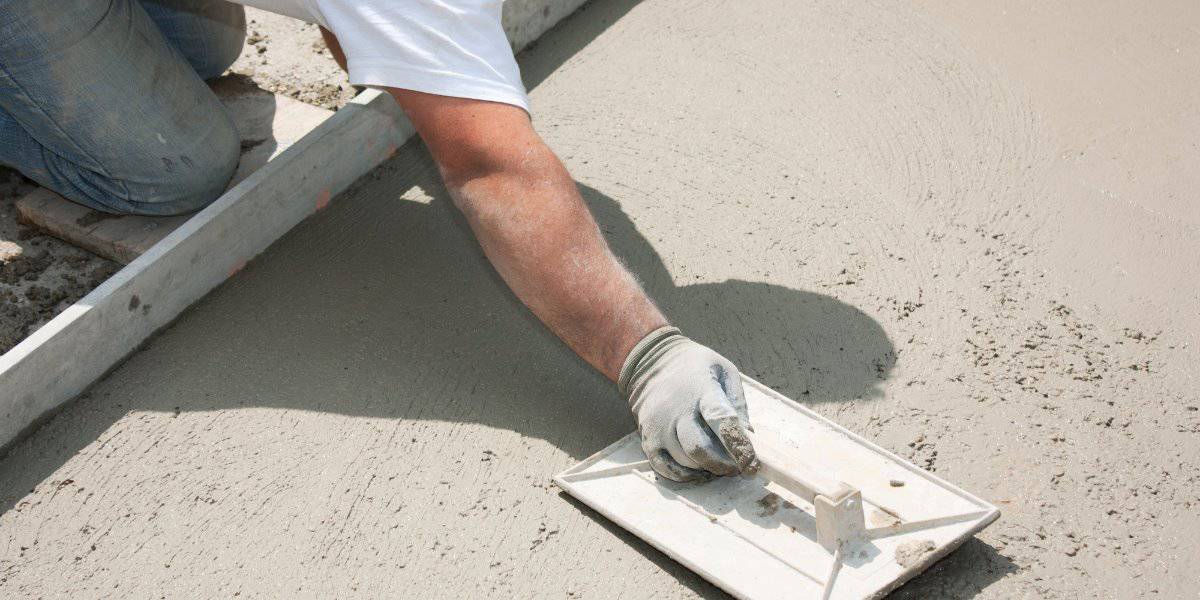
Ever Wonder Why Concrete Gets Hot Here S Why
Thermal Mass Wikipedia

Concrete As A Thermal Mass Material For Building Applications A Review Sciencedirect

Thermal Mass By Bpptech Issuu

How To Protect Your Furry Loved Ones As The Temperatures Continue To Climb Firsthand Weather


